Expert Insights: When to Consider Heat Treatment for Bed Bug Infestations
Heat-based treatment for bed bug problems has developed into a viable solution for homeowners dealing with this ongoing issue. It effectively targets all life stages of bed bugs by raising temperatures above 118°F. Though this technique provides notable strengths, like non-chemical eradication, it does come with certain drawbacks. Recognizing the right time to select heat treatment proves important. Which considerations should homeowners weigh before choosing this option?
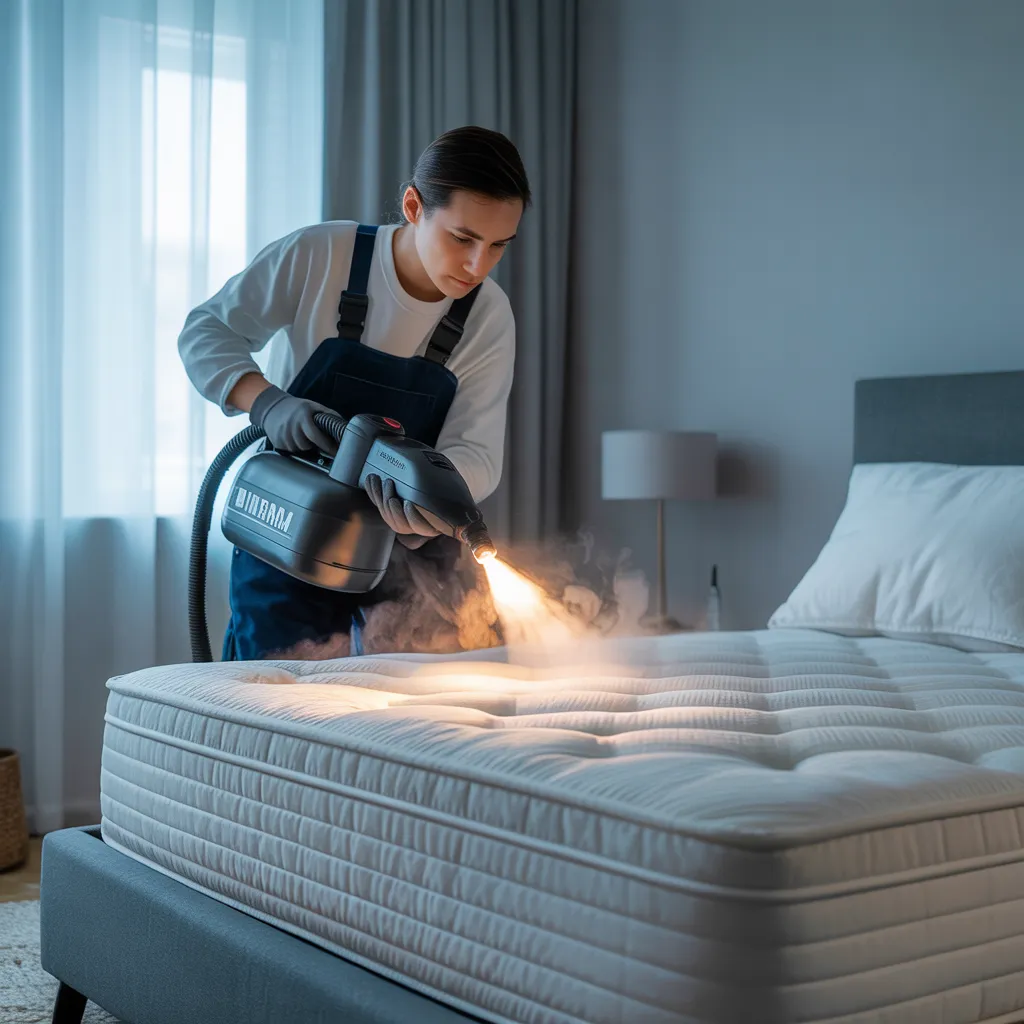
What Is Heat Treatment for Bed Bugs
Thermal treatment for bed bugs is an increasingly common approach for getting rid of these insects. This technique involves increasing the temperature of affected areas to a level lethal to bed bugs, typically around 118°F (48°C) or higher. The procedure generally requires specialized equipment that can effectively distribute and maintain the desired temperature throughout the treatment area.
When heat treatment is applied, bed bugs at all life stages, such as eggs, nymphs, and adults, are targeted. By heating the environment over a prolonged period, generally spanning several hours, the elevated temperature reaches furniture, walls, and various hiding spots where bed bugs reside.
This technique is commonly preferred for its ability to eliminate bed bug infestations without depending on chemical pesticides, making it a practical solution for individuals worried about chemical exposure. Moreover, this treatment method can be finished within a reasonable timeframe, delivering an efficient remedy for those facing bed bug infestations.
Benefits of Utilizing Heat Treatment
Utilizing heat treatment for bed bug problems offers many remarkable advantages. One of the key highlights is its capability to destroy bed bugs at each phase of their life cycle, including eggs, nymphs, and adults, delivering total removal. This technique typically generates temperatures between 120°F and 140°F, thoroughly accessing furniture, walls, and other hiding spots where bed bugs hide.
Another advantage is the speed of the procedure; heat treatments generally necessitate only a one-time session, unlike chemical treatments that may require multiple applications. Moreover, heat treatment minimizes the need for chemical pesticide residues, making it a healthier option for households and animals. The treatment is environmentally friendly, as it does not introduce harmful chemicals into the living space. In addition, heat treatment leaves no lasting odors, contributing to a more pleasant living environment following the process. In summary, these factors make heat treatment an ever more favored choice for managing bed bug issues.
What You Need to Know About the Drawbacks of Heat Treatment
Even though heat treatment presents a strong option for addressing bed bug infestations, it is essential to evaluate its drawbacks. The substantial financial burden associated with this treatment can present a considerable obstacle for a large number of residents. Furthermore, there is a chance of harm to household items if not performed with precision, generating more apprehension for those contemplating this approach.
Significant Cost Considerations
Financial considerations are often a major concern when evaluating heat treatment for bed bug infestations. This treatment option typically involves substantial upfront expenses, including specialized equipment and professional services. Homeowners may find themselves facing costs that exceed those associated with traditional chemical treatments. Additionally, the need for thorough preparation—such as transporting pets and securing or removing vulnerable items—can increase the overall financial burden. Although heat treatment is often very effective, the financial implications may discourage certain homeowners from choosing this method. In addition, the cost can fluctuate significantly based on factors like the extent of the infestation and the property's dimensions. Consequently, potential clients should weigh the benefits against these financial considerations before making a decision.
Potential Property Damage Risks
Thermal treatment offers an effective remedy for bed bug infestations, but it carries certain risks to property that homeowners must consider. The extreme temperatures necessary, generally ranging from 120°F to 140°F, can harmfully affect numerous materials and personal items. Things such as electronics, artwork, and fragile fabrics may warp, melt, or otherwise suffer damage. Additionally, wooden furnishings and flooring may crack or split under such intense heat conditions. Homeowners should also be aware that appliances may not be designed to withstand such temperatures, causing potential malfunction or failure. Consequently, it is advisable for property owners to thoroughly assess their possessions and consult with professionals to reduce these risks before moving forward with bed bug heat treatment.
How to Detect Bed Bug Infestations That Warrant Heat Treatment
How can one determine if a bed bug infestation warrants heat treatment? Determining the extent of the infestation is crucial. Signs include visible bed bugs, shed skins, and dark spots from fecal matter. A thorough inspection of bedding, furniture, and surrounding areas will reveal these indicators. When the infestation has spread across several rooms or inaccessible spaces, heat treatment may be the appropriate solution.
Moreover, a record of ineffective chemical treatment methods can point to the need for a more aggressive approach like heat treatment. Finding bed bugs in numerous life stages—eggs, adults, and nymphs—adds complexity to elimination efforts, making heat treatment a viable solution.
At the end of the day, if the pest problem is ongoing and severe, opting for heat treatment can provide a more effective resolution, guaranteeing the elimination of all pest life stages.
How Heat Treatment Stacks Up Against Other Methods
Heat therapy provides a unique method to handling bed bug issues when compared to traditional methods. Its effectiveness against bed bugs is notable, but considerations regarding safety and time efficiency also play key roles in determining its suitability. Recognizing these elements helps in evaluating the general effectiveness of heat-based solutions within pest control strategies.
Effectiveness Against Bed Bugs
Tackling bed bug infestations demands a multilayered approach, and heat treatment stands out as a exceptionally reliable method. This process entails raising the temperature of impacted regions to thresholds harmful to bed bugs, including their eggs, within a comparatively quick period. Unlike pesticide-based approaches, which may deposit residues and necessitate multiple applications, heat treatment penetrates all surfaces, providing complete eradication. Studies have shown that heat treatment can reach nearly 100% effectiveness when expertly implemented. Additionally, it nullifies the risk of bed bugs developing resistance, a frequent problem with pesticides. While alternative treatments may be efficient in certain situations, heat treatment's ability to produce quick and exhaustive results makes it a favored solution for many pest control professionals.
Efficiency and Time Considerations
When copyrightining the efficiency of different pest control approaches, heat treatment consistently proves to be a premier option. Unlike traditional methods, such as chemical sprays or fumigation, which may necessitate multiple overview applications over several weeks, heat treatment usually resolves bed bug infestations in a single session. The process entails raising the temperature of the impacted space to a level lethal to bed bugs, delivering effective results within a matter of hours. This swift elimination reduces the overall disruption to daily life, allowing residents to return to normal activities faster. Moreover, heat treatment removes the necessity of extensive preparations, such as relocating furniture or laundering extensive amounts of bedding, greatly boosting its efficiency relative to other pest control methods.
Health and Safety Impact
The safety and wellness aspects of pest control methods are critical considerations for homeowners facing bed bug problems. Heat treatment offers a significant advantage compared to chemical approaches, as it eradicates bed bugs across all developmental stages without the use of toxic substances. This minimizes the danger of harmful chemical contact for occupants and their pets, rendering it a more suitable solution for family units, especially those with small children or individuals with respiratory issues.
By comparison, chemical treatments may cause health risks, including long-term exposure risks and allergic reactions. Moreover, heat treatment does not leave harmful residues, enabling a faster return to the affected area. As a result, for individuals who place safety and health first, heat treatment stands out as a more preferable choice when dealing with bed bug issues.
What You Can Expect During a Heat Treatment Session
What should one anticipate during a heat treatment session for bed bug issues? First and foremost, a thorough assessment of the space takes place to identify infested areas. The area will be cleared of any sensitive items, such as electronic devices and vegetation, to ensure protection. When all preparations are finished, advanced equipment, including heating units and temperature monitoring tools, is deployed to raise the temperature to lethal levels for bed bugs.
During the process, temperatures generally rise above 120°F (49°C), kept at this level for hours, effectively targeting all life stages of the pests. Homeowners can expect to be away from the treated area for a number of hours, in some cases up to 24 hours, depending on the severity of the infestation. The treatment is overseen without interruption to guarantee ideal conditions are met. After completion, the area will be thoroughly copyrightined to ensure the procedure was carried out successfully, creating an opportunity to restore a completely pest-free environment.
Post-Treatment Guidelines and Prevention Advice
Although heat treatment effectively eliminates bed bugs, proper post-treatment care and preventive measures are essential to ensure a permanent solution. Following treatment, residents should thoroughly vacuum their living areas on a consistent basis to get rid of any leftover eggs or pests. It is recommended to wash all bedding, clothing, and curtains in hot water and dry them on high heat to eradicate any leftover insects.
Closing cracks and gaps in furniture and walls can help avoid re-infestation, while using bed bug encasements on mattresses and bed frames adds an additional layer of protection.
Additionally, individuals should check their living spaces for signs of bed bugs, such as skin irritations or molted casings. Limiting clutter can also reduce hiding places for any possible reemergence of these insects. Being diligent and applying these prevention measures will reinforce the impact of the heat treatment, creating a bed bug-free environment long-term.
Common Questions and Answers
Are Heat Treatments Safe for Pets and Children?
Heat therapy is typically safe for pets and children if proper precautions are taken. Nevertheless, it is crucial to ensure they are kept away from the property during the treatment procedure to minimize the risk of harm.
How Much Time Does the Heat Treatment Process Usually Take?
The heat treatment process generally requires between six to eight hours. This time frame encompasses setup, warming the impacted areas, and verifying the temperature remains consistent to successfully eradicate bed bugs throughout the space.
Am I Able to Stay at Home During Heat Treatment?
Throughout heat treatment for bed bugs, it is typically recommended that residents temporarily leave the premises. This ensures effectiveness and safety, as extreme heat can be uncomfortable and potentially harmful to people and pets in the home.
What Furniture Can Be Treated With Heat?
The majority of furniture, like sofas, chairs, and beds, is suitable for heat treatment. However, items containing electronics, delicate materials, or specific finishes might not be appropriate. It's important to seek professional advice for tailored recommendations regarding each piece.
Will Heat Treatment Kill Bed Bug Eggs?
Heat treatment effectively kills bed bug eggs by raising temperatures to levels lethal to all life stages. When correctly applied, this method ensures that eggs, frequently resistant to alternative treatments, are eradicated alongside adult bed bugs.